Industry Solutions

Nullam dignissim, ante scelerisque the is euismod fermentum odio sem semper the is erat, a feugiat leo urna eget eros. Duis Aenean a imperdiet risus.
Nullam dignissim, ante scelerisque the is euismod fermentum odio sem semper the is erat, a feugiat leo urna eget eros. Duis Aenean a imperdiet risus.
Industry Solutions
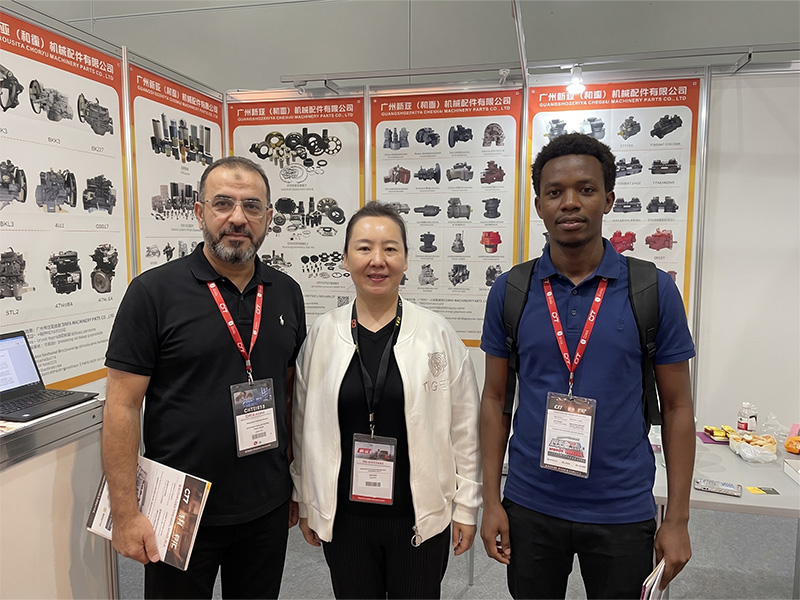
Aimed at foreign buyers with large-scale procurement needs, this solution leverages our factory’s strong production capacity and direct supply model to eliminate intermediate links. For example, we once provided 500 sets of hydraulic pumps and 300 sets of travel components for a European construction company, offering a 18% price discount compared with the industry average. We completed the production with a 100% on-time delivery rate, helping the client reduce 22% of procurement costs and gain a competitive advantage in the local market.
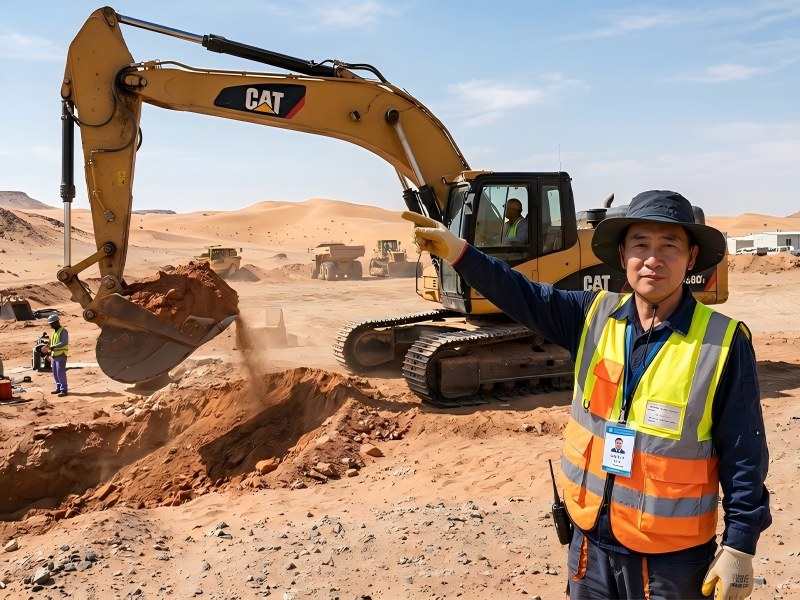
Focusing on the diverse needs of foreign markets, we provide customized production services. For instance, aiming at the high-temperature and dusty working conditions in the Middle East, we customized heat-resistant and dust-proof hydraulic components for a Middle Eastern client, which increased the service life of the parts by 30%. We completed the customization and mass production of 400 sets of components within 8 working days, and provided Arabic technical guidance, fully meeting the client’s local usage needs.
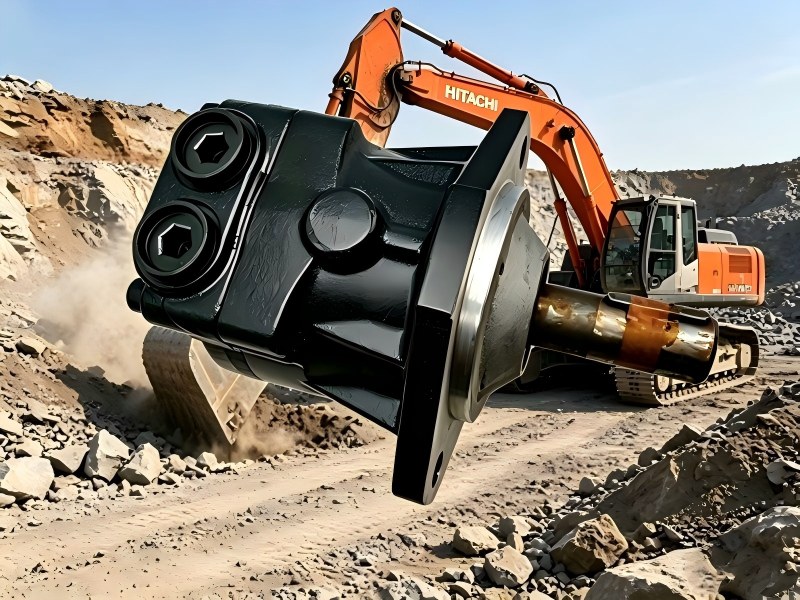
1.Installation Precautions Port Cleanliness: Ensure all hydraulic line ports are pristine before connection. Even microscopic contaminants can score the motor’s internal distribution plate. Priming & Air Bleeding: It is mandatory to pre-fill the motor casing with clean hydraulic oil via the drain port and bleed trapped air before startup to prevent cavitation or “dry-start” seizure. Balance Verification: Inspect the fan blade’s dynamic balance during assembly. Ensure a secure and concentric connection to avoid premature bearing failure caused by excessive vibration. 2.Maintenance Guidelines Oil Quality Monitoring: Regularly check hydraulic oil cleanliness. Fluid contamination is the primary cause of reduced motor speed and diminished cooling efficiency. Leakage Inspection: Monitor the shaft seal for any signs of seepage. Promptly replace seals upon detecting leaks to maintain optimal cooling performance and prevent engine overheating issues.
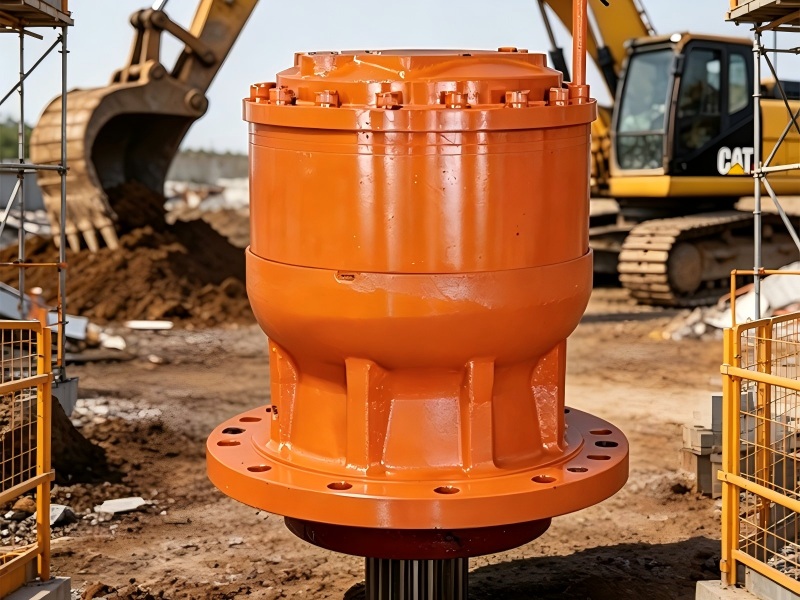
I. Installation Precautions Alignment & Backlash: Ensure the mounting surface is level and pristine. Precise alignment with the swing ring gear is critical; verify the meshing clearance (backlash) to prevent excessive stress and premature wear. Torque Management: Fasten mounting bolts to the specified torque using a symmetrical, alternating pattern. This ensures uniform load distribution and prevents housing deformation or bolt loosening under vibration. Pre-lubrication: Fill with the designated grade of gear oil to the required level before startup. Dry operation must be strictly avoided to prevent immediate seizure of bearings and gears. II. Troubleshooting Solutions Abnormal Noise/Vibration: This typically indicates internal bearing failure or gear tooth damage. Immediate shutdown and inspection are required to prevent secondary damage from metal debris. Oil Leakage: Inspect skeletal oil seals or floating seals for wear or aging. Ensure the breather plug is unobstructed, as internal pressure buildup from blockages is a primary cause of seal failure. Loss of Power or Jerky Movement: Monitor oil cleanliness. If the lubricant contains metallic particles, flush the gearbox and replace the oil immediately. Routine oil analysis is vital for preventing catastrophic mechanical failure. Maintenance Tip: It is highly recommended to perform the first oil change within the initial 100 operating hours after installing a new reduction unit. This ensures the removal of microscopic metal debris produced during the run-in stage, safeguarding the internal components.
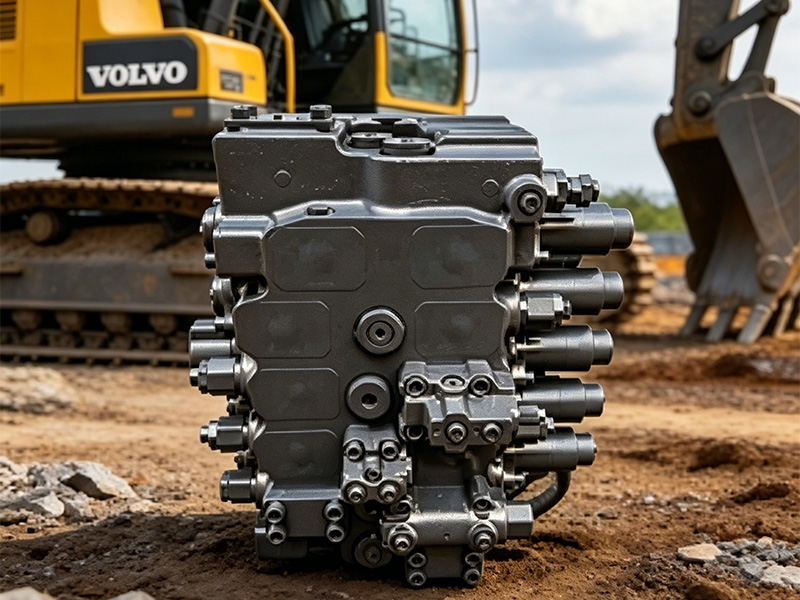
1.Installation Precautions System Cleanliness: Flush the entire hydraulic circuit and replace the oil before installation; even microscopic contaminants can cause spool seizure. Accurate Hose Labeling: Strictly label all hydraulic lines to prevent incorrect connections, which can lead to operational logic errors. Torque & Sealing: Tighten mounting bolts symmetrically to specified torque to avoid housing deformation. Always replace O-rings with new ones and apply a light coat of hydraulic oil. 2.Troubleshooting Solutions Slow or Weak Response: Prioritize inspecting the Main Relief Valve pressure settings and verifying if the pilot control pressure meets OEM specifications. Hydraulic Drift (e.g., Boom Dropping): This usually indicates internal leakage due to worn spools/bores or a faulty Overload Valve. Spool Seizure/Sticking: Typically caused by contamination or a broken return spring; requires a full cleaning of the valve block and oil quality analysis. External Leakage: Inspect seals for aging and check return line backpressure, as excessive pressure can compromise the spool oil seals.
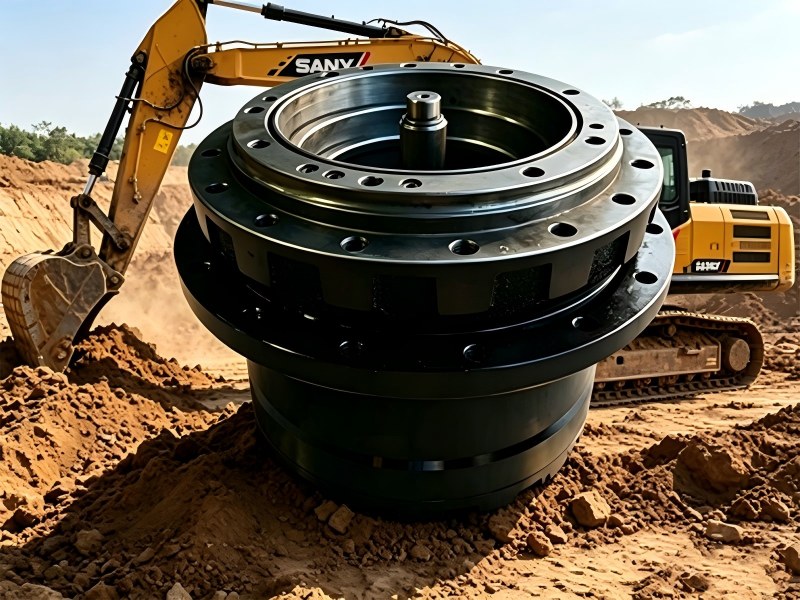
1.Installation Precautions Surface Preparation: Ensure the mounting surfaces between the gearbox and track frame are perfectly level and free of debris to prevent structural stress. Torque Management: Use high-strength bolts with thread locker; tighten symmetrically to specified torque settings to prevent loosening during high-vibration operations. Pre-lubrication: Fill with the designated grade of gear oil to the required level and bleed trapped air before startup; dry operation is strictly prohibited. 2.Maintenance & Troubleshooting Initial Oil Change: Perform the first oil change within the initial 100 operating hours to eliminate microscopic metal fragments generated during the break-in period. Leakage Monitoring: Closely inspect floating seals. Any leakage at the sprocket hub requires immediate replacement to prevent abrasive contaminants from destroying the gear train. Warning Signs: If abnormal vibration or metallic clashing occurs, shut down immediately for oil analysis to prevent bearing failure from causing catastrophic housing damage.