Industry Solutions

Nullam dignissim, ante scelerisque the is euismod fermentum odio sem semper the is erat, a feugiat leo urna eget eros. Duis Aenean a imperdiet risus.
Nullam dignissim, ante scelerisque the is euismod fermentum odio sem semper the is erat, a feugiat leo urna eget eros. Duis Aenean a imperdiet risus.
Industry Solutions
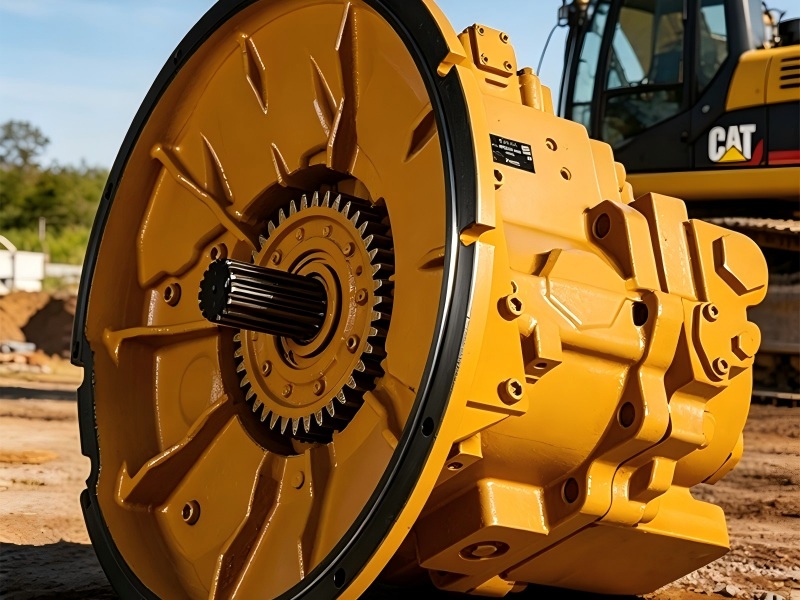
1.Key Installation Precautions System Contamination Control: Prior to installation, the hydraulic tank must be flushed, and all filters (return and pilot) must be replaced. Ensure all hose connections are pristine to avoid particle ingress. Mandatory Priming: One of the most critical steps is to pre-fill the pump casing with clean hydraulic oil through the drain port before startup. Air Bleeding: Bleed air from the system until a steady stream of oil is observed. This prevents “dry-start” cavitation, which can destroy a new pump within seconds. 2.Troubleshooting Matrix Abnormal Noise/Cavitation: Usually caused by air leaks in the suction line or a clogged suction strainer. Verify all seals and hose clamps on the low-pressure side. Loss of Hydraulic Power: Often indicates internal leakage due to wear on the “tri-friction pairs” (cylinder block/valve plate). Requires resurfacing of the mating parts or regulator adjustment. Engine Stalling (Engine Bogging): This indicates that the pump is drawing more power than the engine can supply. Check for stuck PC or LS valves in the regulator and recalibrate as per OEM specs. Overheating: Excessive heat is a sign of high internal bypass. If the drain line flow is excessive, it indicates severe internal wear requiring a comprehensive seal kit replacement or component overhaul.
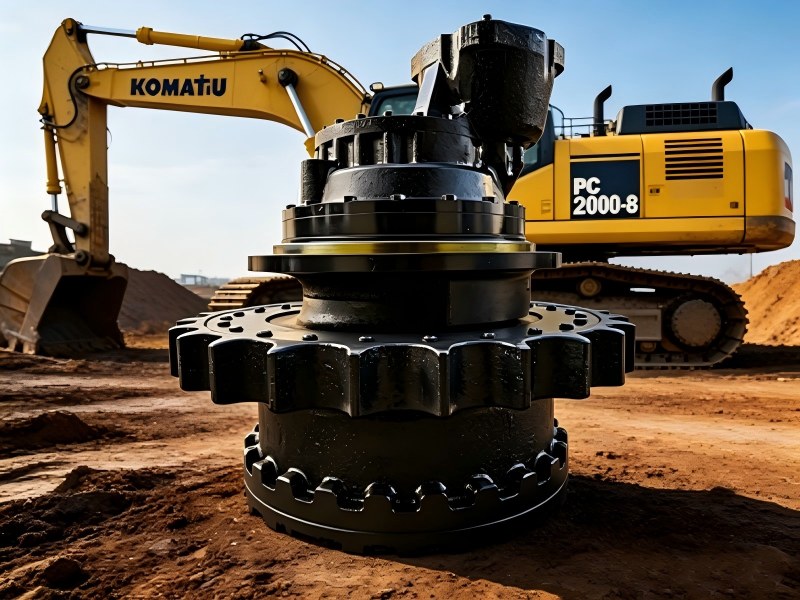
I. Installation Precautions Heavy-Duty Lifting: Given the massive weight of the PC2000-8 assembly, utilize high-capacity lifting equipment and ensure the chassis is securely supported. Hydraulic Air Bleeding: Thoroughly clean all interfaces before connection. After installation, air bleeding and pre-filling via the motor’s bleed plug are mandatory before startup to prevent motor seizure caused by dry rotation. Torque & Sealing: Mounting bolts must be treated with thread locker and tightened to ultra-high torque specifications. Closely inspect the floating seal contact surfaces to ensure no damage occurred during assembly. II. Troubleshooting Solutions Tracking Deviation or Weakness: Prioritize measuring the travel pilot valve pressure. If pressure is normal, the issue is typically internal leakage caused by a worn distributor plate in the motor. Final Drive Abnormal Noise: This often indicates abnormal gear meshing or bearing failure. Perform an immediate oil analysis; if significant metallic fragments are found, a full teardown is required to prevent housing destruction. Leakage Management: Oil leaks at the sprocket hub usually signify floating seal failure. Immediate replacement is critical to prevent abrasive contaminants from entering and destroying the precision gear train.